


Key Takeaways
- Mental Illness Awareness Week in October reminds us that millions live with mental illness and deserve support without stigma.
- Mental Illness Awareness Week highlights the importance of recognizing symptoms early and encouraging people to seek treatment for better outcomes.
- Mental Illness Awareness Week is from Sun, Oct 5, 2025 to Sat, Oct 11, 2025
The Importance of Mental Illness Awareness Week
Mental Illness Awareness Week happens every October to raise the importance of mental health. Millions live with anxiety, depression, bipolar disorder or trauma but feel alone and unsure where to turn for help. This week is here to offer hope that treatment and recovery are possible. At California Detox & Recovery Center, we believe that awareness must lead to action while having access to expert care and a safe environment to heal.
Is Mental Health Awareness Week in May or October
While May is Mental Health Awareness Month, Mental Illness Awareness Week takes place in October, during the first full week of the month.
This week was established by the U.S. Congress to raise awareness, provide education, and reduce stigma surrounding mental illness. The timing aligns with October 10, World Mental Health Day, reinforcing the global effort to bring mental health issues to the forefront.
Why is October 10 Mental Health Day
This date is recognized worldwide as World Mental Health Day, a time to highlight mental health awareness and advocate for accessible care. The World Health Organization promotes this day to bring attention to policies, education, and treatment efforts across all countries.
For California Detox & Recovery Center, this day is a chance to remind people that seeking help is a sign of strength. Each year’s theme may change, but the message stays the same: mental health is vital, and support is available.
What are the Different Types of Mental Illness
Mental illness includes a wide range of diagnosable conditions that affect mood, thought processes, and behavior. These conditions vary in severity but all can interfere with daily life when left untreated. The most common categories include:
Anxiety Disorders
These are the most frequently diagnosed mental illnesses. They involve persistent fear, worry, or dread that goes beyond normal stress. Conditions include:
- Generalized Anxiety Disorder (GAD): Chronic worry that is difficult to control, often accompanied by restlessness and sleep disturbance.
- Panic Disorder: Recurrent panic attacks with physical symptoms like rapid heart rate, sweating, or shortness of breath.
- Phobias: Intense fear of specific objects, situations, or activities that disrupt daily functioning.
Mood Disorders
Mood disorders cause disturbances in emotional regulation that affect energy, motivation, and daily functioning. They include:
- Major Depressive Disorder: Persistent sadness, hopelessness, and loss of interest in activities, lasting weeks or longer.
- Bipolar Disorder: Shifts between depressive episodes and manic or hypomanic episodes, where mood, energy, and behavior may change dramatically.
Personality Disorders
These conditions involve rigid, unhealthy patterns of thinking, feeling, and behaving. They often impair relationships and self-perception. Examples include:
- Borderline Personality Disorder (BPD): Intense emotional swings, unstable self-image, and difficulties maintaining relationships.
- Antisocial Personality Disorder: Disregard for rules or the rights of others, often linked with impulsivity and lack of empathy.
Psychotic Disorders
Psychotic disorders affect perception and thinking, leading to difficulty distinguishing reality from internal experiences. The most well-known is:
- Schizophrenia: Involves hallucinations, delusions, disorganized thought processes, and functional impairment in daily life.
Trauma and Stressor-Related Disorders
These disorders result from exposure to traumatic or highly stressful events. Symptoms may persist long after the event. The most common is:
- Post-Traumatic Stress Disorder (PTSD): Involves intrusive memories, flashbacks, avoidance behaviors, negative changes in mood, and heightened reactivity.
At California Detox & Recovery Center, we treat many of these mental health conditions using evidence-based therapies such as Cognitive Behavioral Therapy (CBT), Dialectical Behavior Therapy (DBT), Eye Movement Desensitization and Reprocessing (EMDR), and Acceptance and Commitment Therapy (ACT). Our physician-led approach combines clinical expertise with individualized care, helping clients manage symptoms effectively and build healthier futures.
At What Age Does Mental Illness Typically Start
According to the American Psychiatric Association, about half of all mental illnesses begin by age 14, and three-quarters appear by age 24. Early signs may include changes in mood, difficulty concentrating, withdrawal from friends, or struggles in school.
Recognizing symptoms early is important, as timely treatment can help reduce long-term impact. California Detox & Recovery Center provides support for both young adults and older individuals facing mental health conditions.
What is the Difference Between Mental Health and Mental Illness
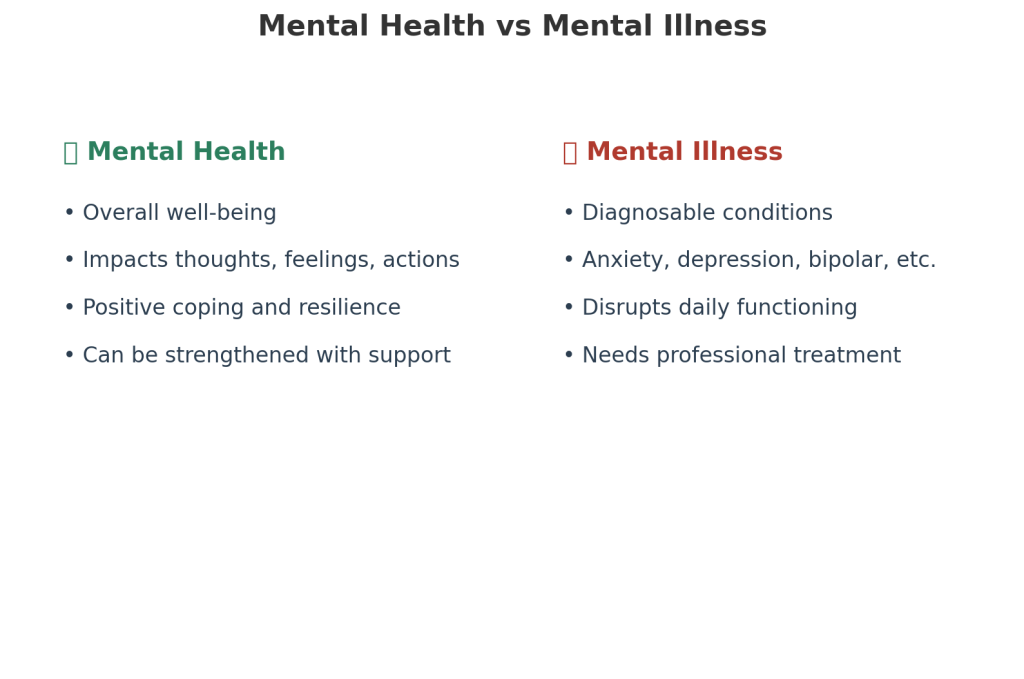
- Mental health refers to overall emotional, psychological, and social well-being. It affects how we think, feel, and interact with others.
- Mental illness refers to diagnosable conditions that significantly disrupt daily life, such as anxiety disorders or major depression.
Having a mental illness does not mean someone lacks mental health entirely. With treatment, people can improve symptoms and strengthen their overall well-being. At California Detox & Recovery Center, we believe in treating both the illness and the whole person.
What are Three Ways Mental Illness is Treated
- Therapy: Approaches such as CBT, DBT, EMDR, and Relapse Prevention Therapy can address both thought patterns and behaviors.
- Medication: Psychiatric care may include antidepressants, mood stabilizers, or antipsychotics when clinically appropriate.
- Support systems: Family programs, peer groups, and aftercare planning help build a foundation for long-term recovery.
At California Detox & Recovery Center, these elements are combined into personalized treatment plans under physician leadership, ensuring medical and emotional needs are both addressed.
Mental Illness Awareness and the Need for Treatment
Awareness weeks and mental health days are powerful reminders, but awareness must also connect to action. Too many people still suffer in silence. Stigma, fear, or lack of resources can prevent people from seeking the treatment they need.
California Detox & Recovery Center provides a supportive, doctor-led environment where individuals can address mental illness without judgment. By offering evidence-based therapies and trauma-informed care, we create a safe place for recovery and growth.
California Detox & Recovery Center and Mental Health Treatment
California Detox & Recovery Center does not use a “single modality” model like other clinics. Instead, our treatment is guided by experienced medical professionals from admission to aftercare. Our team consists of MDs, PhDs, PsyDs, and DSWs, all of whom work to ensure that treatment is safe, evidence-based, and individualized.
While we treat addiction and co-occurring disorders, we have a particular focus on mental health disorders including anxiety disorders, depressive disorders, bipolar disorder, and trauma disorders. By treating both mental health and substance use, we help clients create healthier, more stable lives.
Get Mental Health Treatment at California Detox & Recovery Center Today
Mental Illness Awareness Week in October is more than just a date on a calendar, it’s a reminder that mental health concerns should be addressed every day. If you’re wondering about the difference between mental health and mental illness, considering treatment, or wondering what the next step is after seeking help, the first thing to do is reach out for help.
At California Detox & Recovery Center we offer doctor-led treatment and care, in a private, supportive environment. If you or a loved one is ready to take the first step, Call California Detox & Recovery Center Today!
FAQs
1. Is Mental Health Awareness Week in May or October?
It takes place in October, during the first full week of the month. May is recognized as Mental Health Awareness Month.
2. Why is October 10 mental health day?
It is World Mental Health Day, recognized internationally to promote awareness and advocacy for mental health treatment.
3. What are the different types of mental illness?
They include anxiety disorders, mood disorders, personality disorders, psychotic disorders, and trauma-related conditions.
4. At what age does mental illness typically start?
Many conditions begin during adolescence, with about half starting by age 14 and most by age 24.
5. What are three ways mental illness is treated?
Therapy, medication, and strong support systems are the main approaches, often combined for the best results.